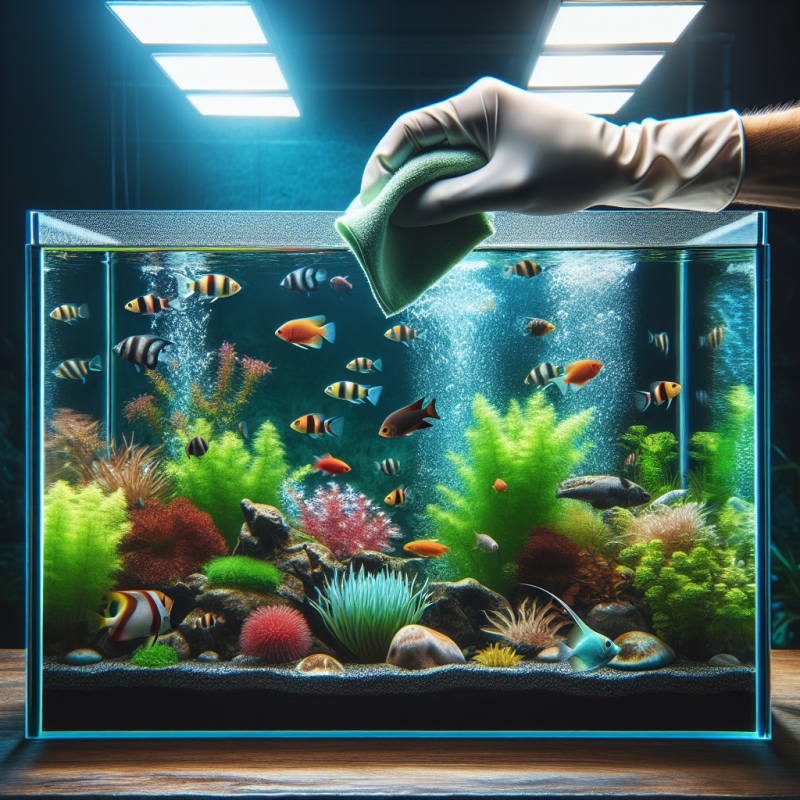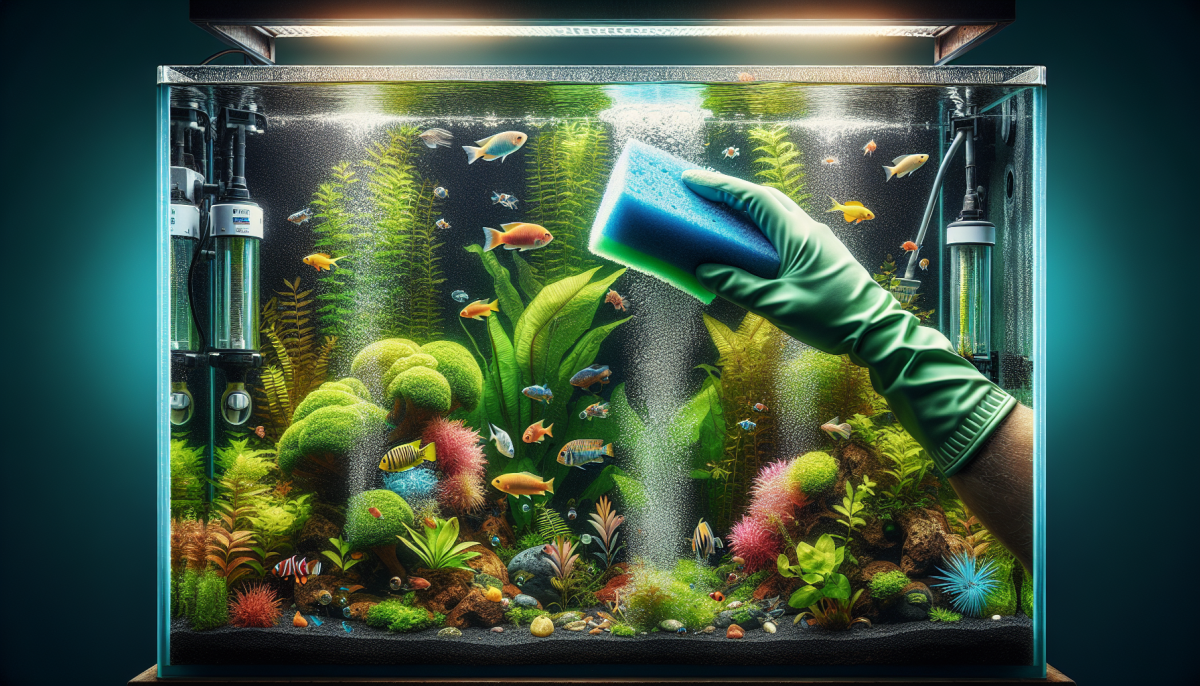
Keeping your aquarium clean is super important for the health of your fish and plants. Here are some easy tips to help you keep your tank sparkling and your aquatic friends happy.
First off, regular water changes are key. Aim for changing about 10-15% of the water weekly. This helps remove waste and keeps your water parameters stable. Just make sure to treat the new water with a dechlorinator before adding it to the tank.
Next, check your filter. Clean or replace the filter media according to the manufacturer's instructions. A clean filter works harder to keep the water clear and free from harmful toxins. You can also rinse it in tank water instead of tap water to avoid killing off beneficial bacteria.
Don’t forget about algae! It can build up quickly and make your tank look messy. Use an algae scrubber or razor blade for glass tanks, and for acrylic tanks, be gentle to avoid scratches. You can also add algae-eating fish or snails to help keep things in check.
Lastly, give your decorations and substrate some attention. Remove any debris or uneaten food that might settle at the bottom. A siphon works wonders here. Just gently vacuum the substrate during a water change to keep everything clean. Your fish will thrive in a sparkling, clean environment!
Choosing the Right Filter for Your Tank
Choosing the right filter for your aquarium is super important. A good filter keeps the water clean and clear, which helps fish and plants thrive. With so many options out there, it’s easy to feel overwhelmed. But don’t worry! I’ll break it down for you.
First up, think about your tank size. Filters come in different sizes and types, so matching one to your tank is key. A filter that’s too weak for a big tank won’t do its job right. On the flip side, a super strong filter can create strong water currents that might stress out your fish. Aim for a filter that matches your tank's gallon size and provides enough flow without being too intense.
Next, consider the type of filtration you need. Generally, filters offer three main types: mechanical, chemical, and biological. Mechanical filtration removes debris and particles. Chemical filtration helps control odors and discoloration. Biological filtration breaks down harmful toxins. Many filters combine these, so look for one that covers all bases.
Lastly, don’t forget about maintenance. Some filters need regular cleaning or changing of parts, while others can go longer without attention. Think about how much time you want to spend on upkeep. A low-maintenance filter might be the way to go if you live a busy life.
Best Practices for Water Changes
Water changes are crucial for a clean and healthy aquarium. They help remove waste, toxins, and excess nutrients. You don’t have to stress about it; just follow some easy steps to keep your tank in tip-top shape.
Start by doing regular water changes. Aim for about 10-20% of your tank volume each week. This keeps your water fresh and helps maintain stable water parameters. Use a good quality siphon or gravel vacuum to clean up debris from the substrate while you’re at it.
Always match the new water to the existing tank temperature and parameters. Use a water conditioner to remove chlorine and chloramines, which can harm your fish. A simple thermometer can help you get the temperature just right. This way, your fish won’t get a shock when you add the fresh water.
Keep an eye on your water quality. Invest in a reliable test kit to check for ammonia, nitrites, and nitrates. This helps you know when it’s time for a change before the water gets too dirty. Consistency is key, so pick a schedule that works for you and stick to it!
Finally, don’t forget to clean your filter. A clogged filter can’t do its job, leading to poor water quality. Rinse it in tank water during your water changes to preserve the beneficial bacteria. Your fish will thank you for the effort!
Preventing Algae Growth in Your Aquarium
Algae can be a real hassle in your aquarium, right? It pops up when you least expect it and can make your tank look pretty messy. But don’t worry! There are some simple ways to keep algae at bay and maintain a clean, healthy environment for your fish. Let’s dive into a few easy tips to help you out.
First off, lighting plays a big role in algae growth. Too much light can fuel those pesky green spots. Aim for about 8-10 hours of light a day. You can use a timer to make this super simple. If you notice algae starting to grow, try reducing the lighting time or switching to a less intense bulb.
Next up, keep an eye on your tank's nutrients. Algae loves nitrates and phosphates, so ensure you're not overfeeding your fish. Uneaten food can break down and create an ideal environment for algae. A good rule of thumb is to feed your fish only what they can eat in a couple of minutes. Regular water changes help, too. Doing a 10-20% water change weekly helps to keep those nutrient levels in check.
Adding live plants can be a game-changer. They naturally compete with algae for nutrients and help keep your tank balanced. Plus, they make your aquarium look beautiful! Consider plants like Java Fern or Anubias, as they’re pretty easy to care for and are great for beginners.
Lastly, don't forget about regular maintenance. A quick scrub of the tank walls and decorations will help remove any early signs of algae. Using a good algae scrubber will make this a breeze. And if you have snails or certain fish like Otocinclus or Siamese Algae Eaters, they'll make great little helpers in your fight against algae!